The ZAK Global Travel Task Scam: What You Need To Know
If you’ve received an unsolicited message on WhatsApp or Telegram offering an easy, high-paying remote job from “ZAK Global Travel,” you are likely the target of a sophisticated scam. This “job offer” is not a legitimate employment opportunity but a type of fraud known as a “task scam,” designed to steal your money.
This article breaks down exactly how the ZAK Global Travel Task Scam operates, the critical red flags to watch for, and the steps to take if you or someone you know has been targeted.
What is the ZAK Global Travel Task Scam?
The ZAK Global Travel Task Scam is not a real job. It is a fraudulent scheme where scammers pose as recruiters from a company—in this case, using the legitimate-sounding name “ZAK Global Travel” to lure victims into a “task-based” job.
The “job” typically involves performing simple online tasks, such as:
- Writing fake reviews for hotels or travel destinations
- Liking YouTube videos or social media posts
- “Optimizing” travel listings or products by clicking on them
The scammers promise a high commission for each task completed, making it seem like an easy way to earn hundreds of dollars a day from home. However, the entire system is a trap.
How the Scam Works
Task scams like this one follow a predictable pattern designed to build trust before stealing your funds.
Step 1: The Unsolicited Contact
You will receive an unexpected message, usually on WhatsApp or Telegram, from an unknown number. The person will introduce themselves as a recruiter for ZAK Global Travel (or a similar company) and offer you a simple, high-paying remote job with flexible hours.
Step 2: The “Job” Offer and Fake Platform
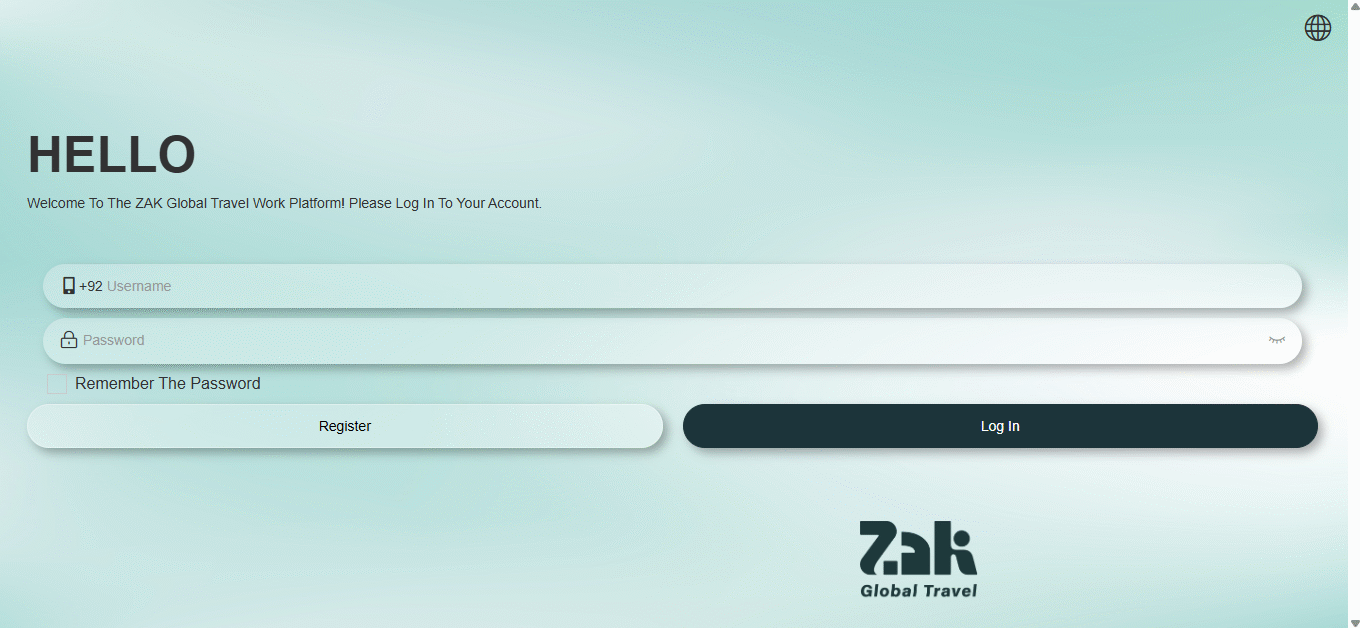
If you show interest, they will explain the “job”—performing simple tasks. They will direct you to a fake website or a special app that looks like a professional portal where you can “receive” tasks and “track” your earnings.
Step 3: The Initial Payout (Building Trust)
To prove the job is real, the scammers will let you complete a few easy tasks and pay you a small amount (e.g., $10 – $20). This small, quick payment is a crucial part of the scam. It’s designed to make you trust them and believe the system works.
Step 4: The “Catch” — Paying to Work
Once you’re hooked, the scam changes. Suddenly, to “unlock” more tasks, “level up” to a higher-paying VIP status, or even just to withdraw your “earnings,” you will be told you need to deposit your own money.
They might claim this is a “refundable deposit” or a “top-up” for your account. The amounts will start small (e.g., $50) but will quickly escalate into hundreds or even thousands of dollars.
Step 5: The Disappearing Act
You will see your “earnings” balance increase on the fake platform, but you will never be able to withdraw it. The scammers will invent more and more excuses for why you need to deposit more money—”taxes,” “fees,” or “clearing a negative balance.”
As soon as you either stop paying or try to cash out, the “recruiter” and the fake website will disappear. Your money is gone, and the contact numbers will be disconnected.
7 Red Flags to Spot the ZAK Global Travel Scam
- Unsolicited Contact via WhatsApp/Telegram: Legitimate companies do not recruit for jobs through random text messages on secure messaging apps.
- “Too Good to Be True” Pay: Earning $300/day for 1-2 hours of “liking videos” is not a real job. If it sounds too easy, it is a scam.
- Vague Job Description: The “recruiter” will be vague about the job, using terms like “product boosting” or “app optimization” without clear details.
- No Formal Interview: The “hiring” process involves no formal interview, no video call, and no verification of your identity or skills.
- You Are Asked to Pay Money: This is the biggest red flag. No legitimate job will ever require you to pay your own money to get paid, receive tasks, or unlock your salary.
- Payment in Cryptocurrency: Scammers often demand deposits in cryptocurrencies (like Bitcoin or USDT) because they are difficult to trace and almost impossible to reverse.
- High-Pressure Tactics: They will create a sense of urgency, telling you to “deposit now” to avoid “losing your earnings” or “missing out” on a high-paying task.
What to Do If You Are a Victim
If you have already sent money in this scam, it’s important to act quickly, though recovery is very difficult.
- Stop All Contact Immediately: Block the “recruiter’s” number and any other contacts from the group. Do not send any more money, no matter what they promise or threaten.
- Contact Your Bank or Financial Institution: If you paid via a bank transfer or credit card, call your bank immediately. Report the fraud and ask if any transactions can be reversed or frozen. If you paid in crypto, unfortunately, the funds are likely unrecoverable.
- Document Everything: Take screenshots of the conversations, the fake website, the “recruiter’s” profile, and any transaction records. This is evidence.
- Report the Scam: File a report with the relevant authorities.
- In the U.S.: Report to the Federal Trade Commission (FTC) and the FBI’s Internet Crime Complaint Center (IC3).
- In the U.K.: Report to Action Fraud.
- In other countries: Report to your national consumer protection agency or cybercrime police unit.
- Warn Others: Talk about your experience with friends and family. Scammers rely on their victims feeling ashamed. Speaking out is the best way to prevent others from falling for the same trap.
Conclusion
The allure of an easy remote job is strong, but it’s crucial to remain skeptical. Legitimate employers will have a formal hiring process, will never contact you via a random WhatsApp message, and will never ask you to pay them for the privilege of working. If an offer seems too good to be true, it always is.
Frequently Asked Questions (FAQs)
Is ZAK Global Travel a legitimate company?
While there may be a real company with a similar name, the “ZAK Global Travel” offering jobs via WhatsApp is a scam. Scammers frequently use the names of real or legitimate-sounding companies to appear credible.
What if I already received a small payment from them?
This is part of the scam. The initial small payout is a deliberate tactic to build your trust and convince you the “job” is real, making you more willing to deposit larger sums of your own money later.
Can I get my money back from a task scam?
It is very difficult and rare to recover funds, especially if you paid in cryptocurrency. This is why prevention and early detection are so important. Your first call should always be to your bank to see if any transactions can be stopped.
