
Why Scammers Always Demand Crypto, Gift Cards, or Wire Transfers

 Click to Zoom
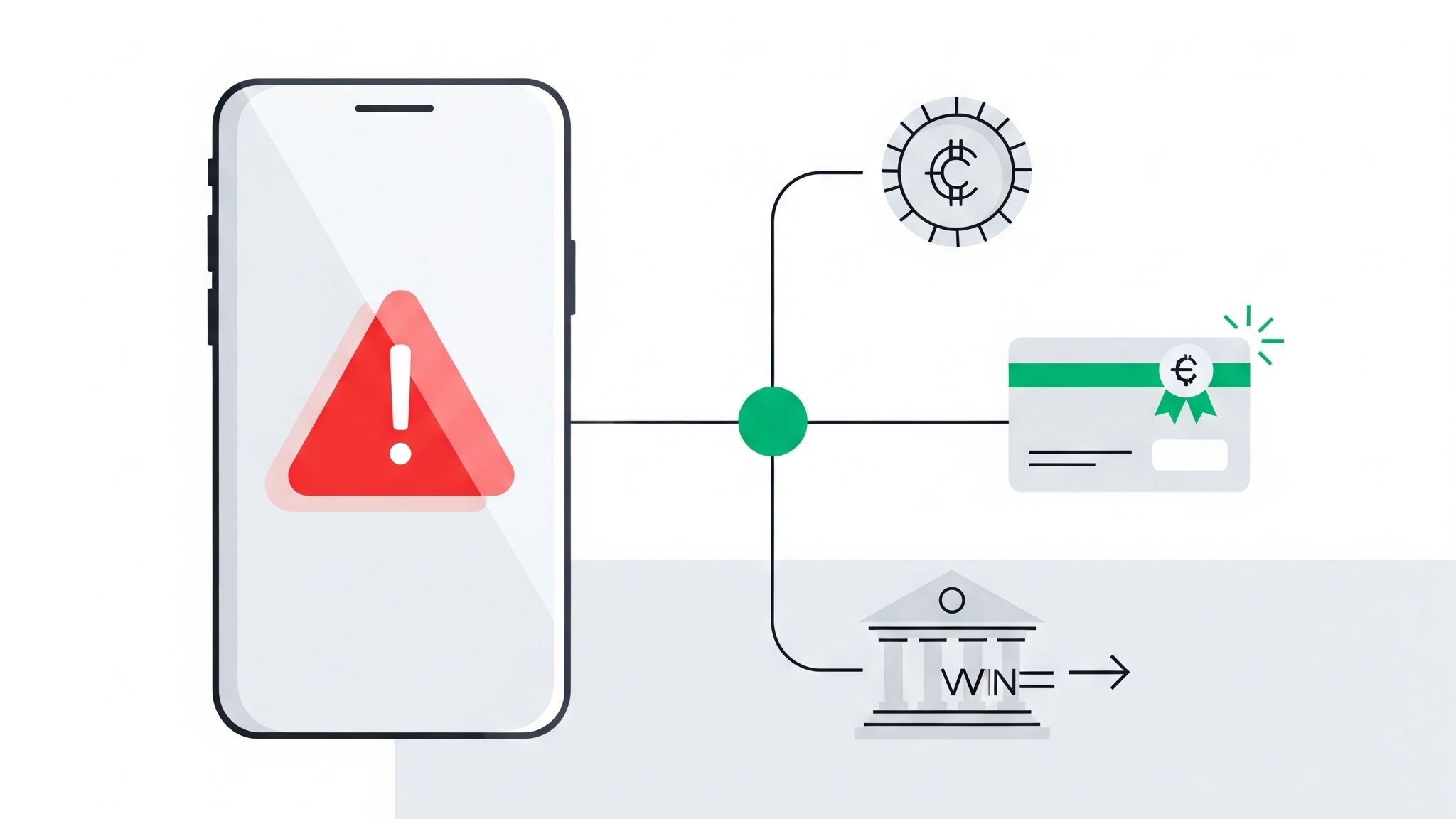
Scammers demand cryptocurrency, gift cards, and wire transfers because these payment methods are irreversible, largely anonymous, and bypass traditional banking security protocols. Once you send funds through these channels, the transaction is instantly finalized and nearly impossible for law enforcement to freeze or reverse. Fraud syndicates exploit these specific financial vehicles to launder stolen money across international borders in seconds.
Click to Zoom
Scammers demand cryptocurrency, gift cards, and wire transfers because these payment methods are irreversible, largely anonymous, and bypass traditional banking security protocols. Once you send funds through these channels, the transaction is instantly finalized and nearly impossible for law enforcement to freeze or reverse. Fraud syndicates exploit these specific financial vehicles to launder stolen money across international borders in seconds.
Criminals do not want your personal check. They do not want a credit card transaction. Credit cards carry chargeback rights under the Fair Credit Billing Act. Bank transfers flag suspicious activity through Anti-Money Laundering protocols. Scammers require financial channels that strip away consumer protections and eliminate the paper trail.
Cryptocurrency Transactions
Bitcoin, Ethereum, and Tether are the lifeblood of modern fraud. When a syndicate compromises a business email or executes a ransomware attack, they demand payment on the blockchain.
- Absolute Irreversibility: The blockchain is immutable. No central banking authority, judge, or police department can reverse a confirmed transaction. Once the funds hit the destination wallet, they are gone.
- Engineered Pseudonymity: Wallet addresses do not require a verified government identity. Criminals routinely use decentralized mixers to scramble the origin and destination of funds, making tracing incredibly difficult.
- Cross-Border Velocity: Millions of dollars can move to non-extradition countries in minutes. By the time a victim files a police report, the stolen capital has already been split across dozens of offshore exchanges.
Gift Cards
Retail gift cards from Apple, Google Play, or Target are not just for birthdays. They serve as a primary shadow currency for international extortion rings.
The mechanism is brutally simple. The victim buys physical cards at a local pharmacy and reads the redemption codes over the phone to the scammer. The scammer instantly funnels these codes into online peer-to-peer exchanges. They sell the codes at a slight discount for clean cryptocurrency.
- Instant Liquidation: The numbers hold the total value. The physical card is instantly worthless the second the code is exposed to the fraudster.
- Zero Identity Verification: Know Your Customer regulations do not apply to a cashier ringing up five hundred dollars in retail gift cards. There is no ID check.
- Jurisdictional Nightmares: A scammer operating a boiler room overseas can monetize a United States-based gift card instantly without ever interacting with the American banking system.
Wire Transfers
Western Union, MoneyGram, and direct bank wires remain staple tools for real estate fraud and romance scams. Fraudsters use psychological manipulation to convince victims to bypass standard banking safeguards.
Wires act as direct bank-to-bank communications. When the receiving bank clears the funds, the money is immediately withdrawn as cash by a recruited money mule.
- Zero Recourse: Wire transfers act exactly like handing a stranger physical cash on the street.
- Speed of Extraction: Fraudsters establish temporary shell accounts. They receive the wire and drain the balance to zero hours before the victim realizes they sent money to an imposter.
Reality of Fund Recovery
The following data table illustrates exactly why criminals target specific payment rails over others.
| Payment Method | Traceability | Reversibility Status | Time to Criminal Liquidation |
| Credit Card | High | Yes | Days to Weeks |
| Bank Check | High | Sometimes | Days |
| Wire Transfer | Medium | Extremely Rare | Hours |
| Gift Card | Low | No | Minutes |
| Cryptocurrency | High | No | Seconds |
How to Protect Your Capital
Stop relying on the bank to save you after the fact. You must act as your own compliance officer.
- Verify the Requestor: If a supposed government agent, utility worker, or tech support representative demands payment via Bitcoin ATM or Target gift card, sever contact immediately. Legitimate entities never use these channels.
- Implement Transfer Delays: Force a mandatory waiting period on all outgoing wires above a specific financial threshold. Time is the enemy of the fraudster.
- Examine Routing Details: Cross-reference the destination bank account name with the supposed vendor name. Fraudsters often use slightly altered business names to pass casual inspection.
If a transaction feels rushed, secretive, or utilizes these specific payment methods, you are being targeted. Lock down your accounts and report the incident.
More Safety Guides


Subscribe for alerts on new scams and real opportunities.
Have you been scammed?
If you have lost money or suspect a website is fake, report it to us immediately to warn others.
REPORT A SCAM NOW