
Google Pay Scams

 Click to Zoom
Your money vanishes the exact millisecond you authenticate a fraudulent Google Pay transaction. Google Pay functions as a high-speed digital conduit directly to your bank account. It is not an escrow service. It offers absolutely zero buyer protection for authorized peer-to-peer transfers. If you are tricked into sending money, the bank views it as a legitimate transaction because you provided the biometric approval or PIN. Criminal syndicates exploit this finality daily.
Click to Zoom
Your money vanishes the exact millisecond you authenticate a fraudulent Google Pay transaction. Google Pay functions as a high-speed digital conduit directly to your bank account. It is not an escrow service. It offers absolutely zero buyer protection for authorized peer-to-peer transfers. If you are tricked into sending money, the bank views it as a legitimate transaction because you provided the biometric approval or PIN. Criminal syndicates exploit this finality daily.
To stop these syndicates, you must understand their exact operational mechanics. Fraudsters do not hack Google Pay. They hack your perception of the transaction. They rely on social engineering, manipulated search engine results, and the weaponization of the payment request feature. Once you authorize the transfer, recovering those funds is statistically impossible.
How Do Google Pay Scams Work?
The architecture of a Google Pay scam relies on bypassing technical security by manipulating the human user. Scammers engineer scenarios where the victim willingly authenticates the transfer. This transfers liability from the bank to the user. We track three primary attack vectors that account for the vast majority of stolen funds.
1. The Stolen Funds Rebound Attack
This is the most mathematically devastating scam on the platform. A scammer sends you a random sum of money, often several hundred dollars. Shortly after, you receive a desperate message claiming the transfer was an accident. They beg you to return the funds.
Here is the breakdown of what is actually happening. The scammer linked a stolen credit card to a burner Google Pay account. They used that stolen card to send you the initial funds. When you send the money back, you are sending clean, legitimate funds from your own checking account.
Two weeks later, the actual owner of the stolen credit card notices the fraudulent charge and files a chargeback with their bank. The initial transfer to your account is forcefully reversed by the banking system. Because you already sent your own clean money to the scammer, you absorb the total loss. Your account balance will drop by the exact amount you returned.
2. Search Engine Poisoning for Customer Support
If you encounter an issue with your account, your first instinct is to search for a customer service phone number. Criminal networks anticipate this. They heavily invest in malicious search engine optimization and fraudulent paid advertisements to place fake phone numbers at the top of search results.
When you call these numbers, you reach a professional boiler room. The fake agents sound legitimate and often use background office noise to build trust. They will immediately claim your account is under attack and instruct you to download a remote desktop application like AnyDesk or TeamViewer.
Once you install this software, the scammer gains total control of your device. They will blank your screen while they access your banking apps, intercept two-factor authentication codes, and drain your linked accounts using Google Pay. Google does not have a public inbound phone number for peer-to-peer payment disputes. Anyone answering a phone claiming to be Google Pay security is a fraudster.
3. The Malicious Payment Request Inversion
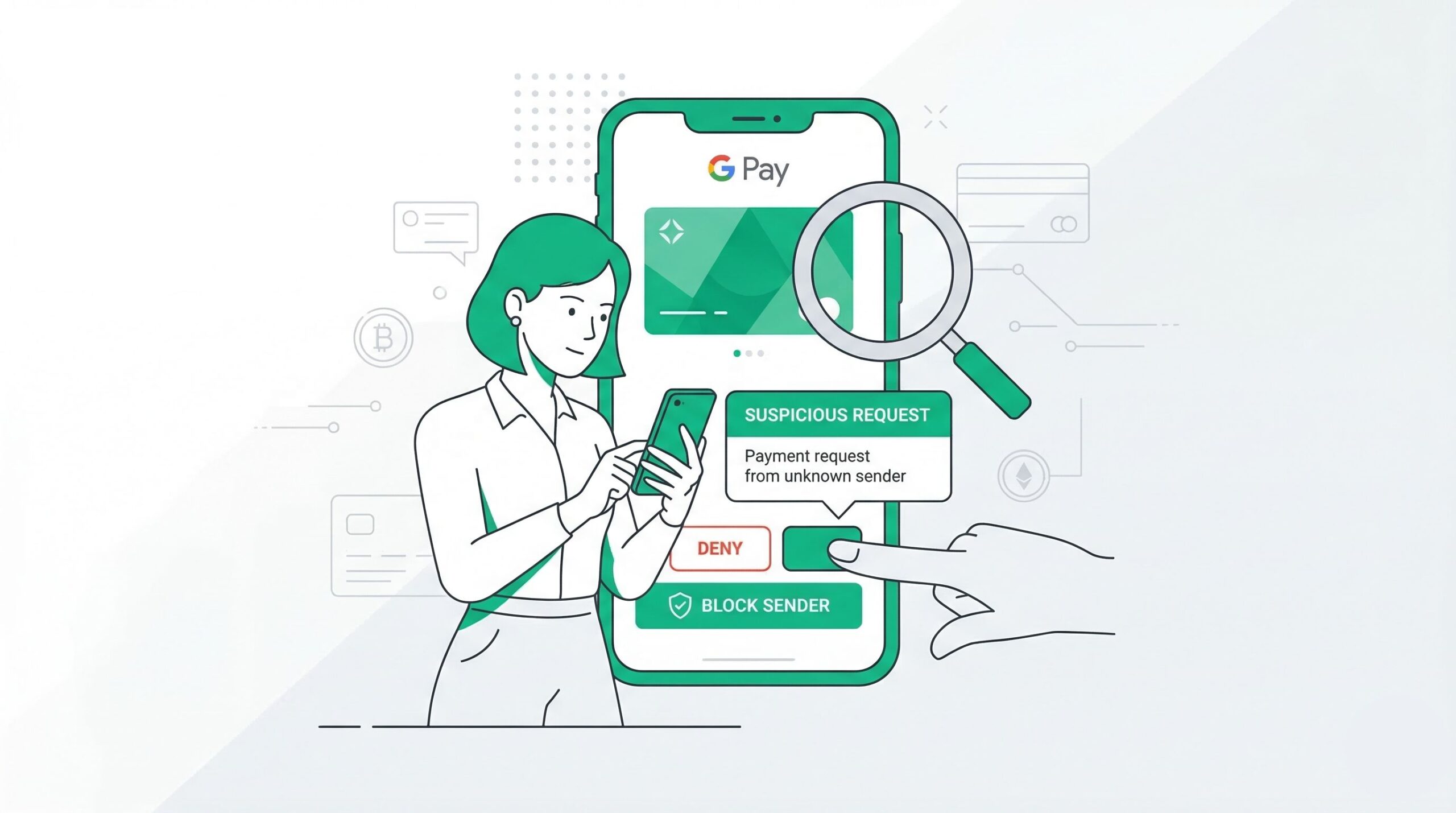
Scammers exploit the visual similarities between receiving money and sending money within the application interface. A scammer will send you a request for payment, but they will attach a memo designed to trick you. The memo might read that your cash prize is ready to deposit or that a refund is pending your approval.
Other Platform Scams


The psychological trick is simple. Victims see a notification regarding money and blindly click the primary action button expecting to receive funds. In reality, they are authorizing a withdrawal from their own account. You must explicitly read the prompt. If the button says Pay, money is leaving your account.
Authorized vs. Unauthorized Transactions
Understanding your legal liability is critical. Banks classify fraud into two distinct categories. Your ability to recover funds depends entirely on this classification.
| Transaction Type | Legal Definition | Typical Resolution | Financial Liability |
| Unauthorized | A third party breached your account and initiated a transfer without your knowledge or consent. | High probability of bank reversal under Regulation E. | Zero to limited liability for the victim. |
| Authorized | You were manipulated into willingly authenticating the transfer using your PIN or biometrics. | Near zero probability of bank reversal. | The victim bears total financial responsibility. |
Immediate Containment Protocols
If you suspect you have engaged with a scammer, you must execute containment protocols immediately to stop further hemorrhaging of funds. Do not wait to see if the transaction clears.
- Sever the Banking Link: Open your Google Pay application immediately. Navigate to your payment methods and remove all linked bank accounts, debit cards, and credit cards.
- Lock the Associated Accounts: Contact your bank directly using the phone number printed on the back of your physical debit card. Instruct the fraud department to freeze your checking account and issue a new debit card.
- Purge Remote Access Software: If you downloaded any application at the instruction of someone on the phone, delete it immediately. Power down your device and reboot in safe mode to ensure all background processes belonging to the remote software are terminated.
- Report the Profile: Use the internal reporting tools within Google Pay to flag the scammers profile. This rarely recovers your money, but it assists investigators in mapping and shutting down burner accounts used by the syndicate.
Protecting yourself requires a fundamental shift in behavior. Treat Google Pay exactly like physical cash. Once you hand it to a stranger, it is gone forever. Verify the recipient through an alternate communication channel before authorizing any transfer.
Subscribe for alerts on new scams and real opportunities.
Have you been scammed?
If you have lost money or suspect a website is fake, report it to us immediately to warn others.
REPORT A SCAM NOW