
Should You Pay Your Loan Base Loan?

 Click to Zoom
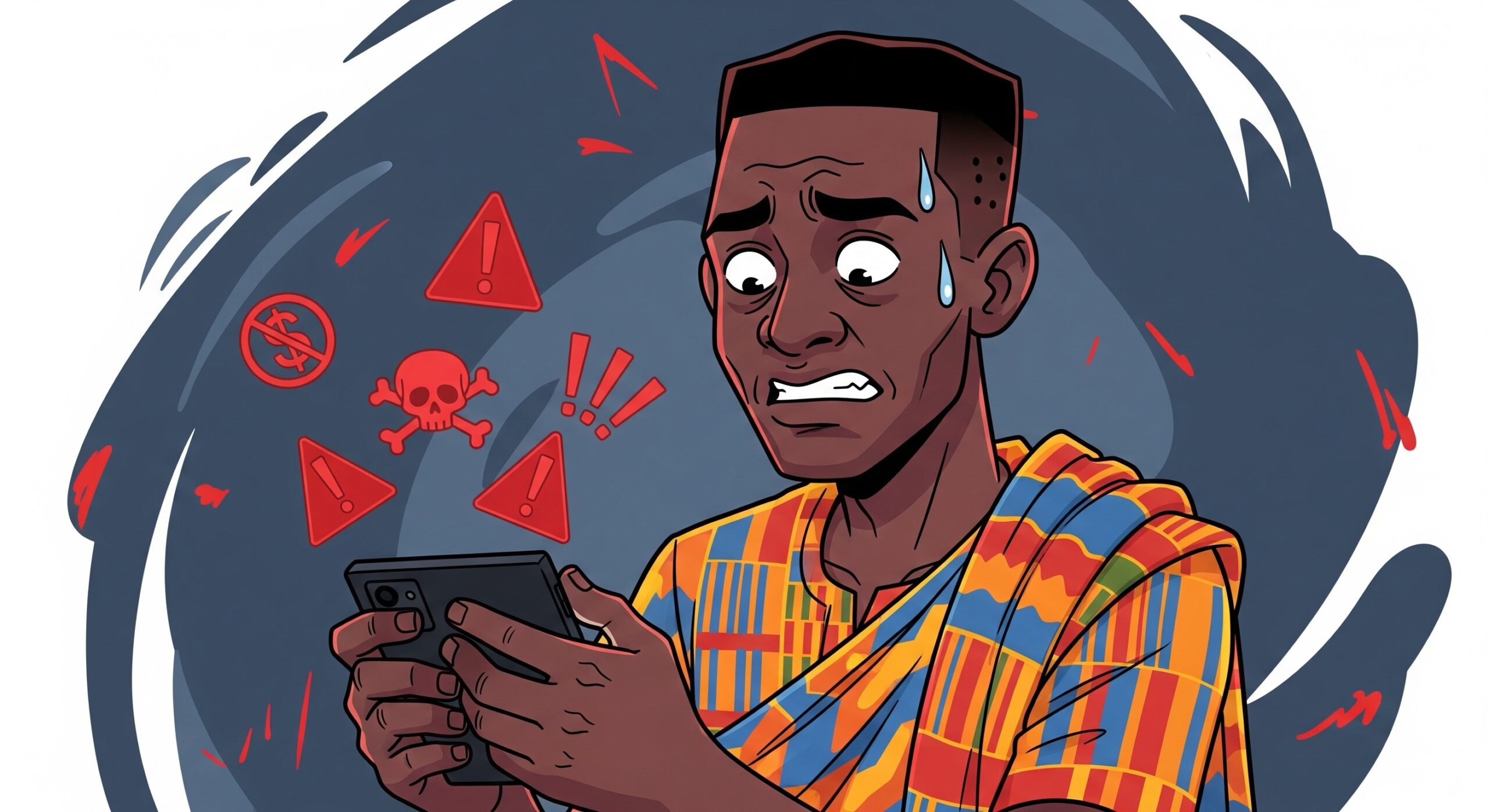
Must you pay your Loan Base loan to avoid jail or police action? The answer is NO. Loan Base operates illegally in Ghana without a Bank of Ghana license. However, if you are asking how to stop the harassment, paying might stop the calls temporarily, but it often marks you as a “soft target” for future scams.
Click to Zoom
Must you pay your Loan Base loan to avoid jail or police action? The answer is NO. Loan Base operates illegally in Ghana without a Bank of Ghana license. However, if you are asking how to stop the harassment, paying might stop the calls temporarily, but it often marks you as a “soft target” for future scams.
If you are reading this, you are likely staring at a phone screen full of threatening text messages. You might be wondering: “If I just pay them the exorbitant interest, will they leave me alone?” or “If I block them, will they really call my boss?”
This guide explains exactly what happens in both scenarios so you can make an informed decision based on facts, not fear.
The Reality
First, remove the guilt. You are not dealing with a bank; you are dealing with a data-mining operation disguised as a lender.
- The Trap: They promised 91 days. They gave you 7 days.
- The Theft: They promised 1,000. They sent 600 but demanded 1,000 back.
- The Law: The Bank of Ghana and Cyber Security Authority (CSA) have repeatedly warned that these unlicensed apps violate the Borrowers and Lenders Act.
Because they are operating illegally, they cannot sue you. They cannot arrest you. Their only weapon is shame.
READ: How The Loan Base Scam Works – Know This Before You Apply
Scenario A: You Decide to Pay
Many people pay because they are afraid. They think, “Let me just clear this debt and delete the app.” Here is why that often backfires.
1. The Good Victim List
When you pay an illegal loan shark, you don’t just clear a debt; you validate their business model.
- What happens: Your number is marked in their database as a “Payer.”
- The Consequence: You will immediately receive SMS offers from 5-10 other loan apps. These are often run by the same syndicate. They know you pay under pressure, so they will target you aggressively.
2. The Auto-Renewal Trap
Some users report that after paying, the app automatically disburses a new loan into their mobile money wallet without their permission — often a higher amount with even higher interest — forcing the cycle to restart.
3. The Processing Error
A common tactic involves the app failing to update your payment status.
More Safety Guides

- The Scam: You send the money. You have the transaction ID. But the app still says “Overdue.”
- The Goal: They want you to panic and pay again. They will claim it was a “network error” and refuse to refund the duplicate payment.
Scenario B: You Decide NOT to Pay
This is the path the Cyber Security Authority (CSA) implicitly suggests by warning citizens against these apps. It is the only way to break the cycle, but it comes with a messy week of harassment.
1. The Shame Campaign (Days 1-3 Overdue)
This is their nuclear option. Because they cannot take you to court, they try to destroy your reputation.
- Tactics: They will WhatsApp the contacts they stole from your phone. They may send messages like: “Tell [Your Name] to pay the money he stole. He is a fraudster.”
- The Defense: Pre-empt this. Send a broadcast message to your contacts saying: “My phone data was breached by a scam app. If you receive strange messages about me owing money, please block and ignore them. I am handling it with the police.”
2. The Empty Threats (Days 4-14 Overdue)
They will escalate their language to trigger fear.
- “The Police are coming to your house.” (Lie. The police do not collect debts, especially for illegal apps).
- “We are sending field agents to your office.” (Lie. They operate from hidden call centers, likely outside Ghana or in a single rented apartment in Accra. They do not have field agents).
- “You will be blacklisted from traveling.” (Complete fabrication).
3. The Silence (After 3-4 Weeks)
If you refuse to engage, refuse to pick up, and refuse to pay, their system eventually flags you as a “Bad Debt” or “Dead Lead.” The calls will slow down and eventually stop. They are running a volume business; spending too much time on a stubborn non-payer loses them money.
How to Default Safely
If you choose not to pay because you were defrauded:
- Do Not Negotiate: Do not pick up the phone to explain. Do not beg for time. Any engagement tells them “this person is scared” and encourages them to push harder.
- Factory Reset: If you can, factory reset your phone. This ensures any lingering spyware from the app is gone. At the very least, revoke all permissions for the app in your settings before uninstalling.
- Change Your Mobile Money PIN: Just to be safe, though they usually cannot pull money out without your approval, it is good hygiene.
- Report the Number: Every time they call, report the number to WhatsApp and Truecaller as “Scam/Harassment”.
Final Verdict
Should you pay?
- Ethically: You borrowed money, so normally you should pay it back.
- Realistically: You borrowed 600, but they claim you owe 1,000 after a week. You have likely already paid back the principal in “fees” or previous loans.
My Advice: Do not pay the interest or extortion fees. If you want to clear your conscience, pay the exact amount you received (the principal) and nothing more. But be warned: they will likely treat a partial payment the same as non-payment and harass you anyway.
The safest option for your long-term mental health is often to stop engaging, change your SIM if necessary, and report them to the authorities.
Subscribe for alerts on new scams and real opportunities.
Have you been scammed?
If you have lost money or suspect a website is fake, report it to us immediately to warn others.
REPORT A SCAM NOW