Account Takeover (ATO)

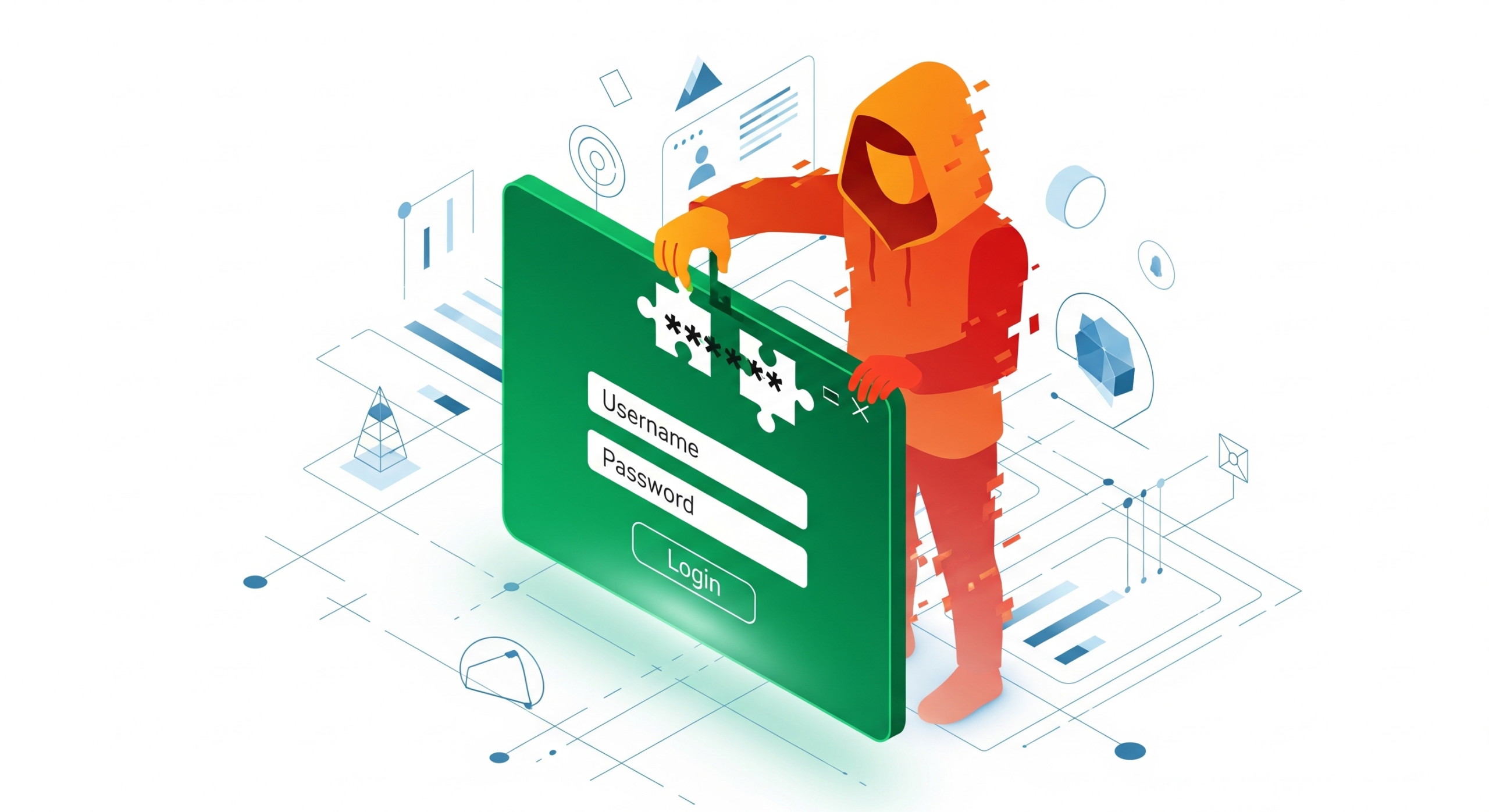 Click to Zoom
Digital identity is the new currency, and for cybercriminals, an existing account is far more valuable than a new one. Account Takeover (ATO) has evolved from simple password guessing into a sophisticated, multi-billion dollar industry fueled by AI and automation.
Click to Zoom
Digital identity is the new currency, and for cybercriminals, an existing account is far more valuable than a new one. Account Takeover (ATO) has evolved from simple password guessing into a sophisticated, multi-billion dollar industry fueled by AI and automation.
This guide breaks down exactly what ATO is, how the attacks are executed, and the specific strategies businesses and consumers must use to stop them.
What Is Account Takeover (ATO)?
Account Takeover (ATO) is a form of identity theft where a malicious third party gains unauthorized access to a user’s online account. Unlike creating a fake identity, ATO involves hijacking a legitimate account; be it banking, email, e-commerce, or social media to commit fraud.
Once inside, the attacker essentially becomes the user. They can drain bank balances, make unauthorized purchases, steal sensitive data, or use the account to launch further phishing attacks against the victim’s contacts.
The Scale of the Problem
The threat is not theoretical. Attacks are becoming more frequent, with incidents rising by over 13% year-over-year as attackers leverage automation to scale their efforts.
How Account Takeover Happens
Attackers rarely hack in the Hollywood sense of typing furiously against a firewall. Instead, they exploit human behavior and technical gaps using specific vectors.
1. Credential Stuffing
This is the most common volume-based attack. Cybercriminals take millions of username/password pairs leaked from a data breach (like the 2024 massive data leaks) and use bots to test them against hundreds of other websites. Because 62% of people reuse passwords, a leak at a small forum can lead to a compromise of a major banking account.
2. SIM Swapping
A more targeted and devastating method. The attacker contacts your mobile carrier, pretending to be you, and claims your SIM card is lost or damaged. They convince the carrier to port your phone number to a new SIM card they control.
They intercept your SMS Two-Factor Authentication (2FA) codes, bypassing the security layer most people rely on.
3. Phishing, Smishing, and Quishing
Social engineering remains a primary entry point.
- Phishing: Deceptive emails mimicking legitimate services.
- Smishing: SMS-based attacks (e.g., “Your package delivery failed, click here”).
- Quishing: A rising threat in 2025 involving malicious QR codes. Attackers place fake QR codes in emails or physical locations (like parking meters) that direct users to fraudulent login sites.
4. Bot Attacks
Sophisticated bad bots mimic human mouse movements and keystrokes to bypass standard CAPTCHAs, allowing them to test credentials or brute-force passwords at scale without triggering security alarms.
The Impact
The consequences of ATO differ significantly depending on which side of the transaction you are on.
1. For Businesses
- Revenue Loss: Direct financial loss from chargebacks (where the business must refund the defrauded customer) and lost merchandise.
- Reputation Damage: 42% of consumers stop doing business with an organization after their account is compromised.
- Operational Strain: Security teams burn hours manually reviewing flagged transactions, and customer support gets flooded with “I can’t log in” tickets.
2. For Consumers
- Financial Ruin: Drained checking accounts and maxed-out credit cards.
- Credit Score Damage: Restoration of a credit score after identity theft can take months or years.
- Privacy Violation: Attackers often harvest personal photos, messages, and contacts to conduct blackmail or further social engineering.
Real-World Case Study
In a notable recent example, PayPal alerted thousands of users that their accounts had been compromised. This was not a breach of PayPal’s own systems. Instead, attackers used credentials stolen from other websites to log into PayPal accounts that shared the same password.
Key Lesson: Even the most secure platforms cannot protect users who reuse passwords across the web. This incident highlighted why relying solely on passwords is a failing security model.
Comparison: ATO Vectors vs. Prevention
| Attack Vector | How It Works | Best Prevention Strategy |
| Credential Stuffing | Bots test stolen login pairs on multiple sites. | Unique passwords prevent the “domino effect.” |
| Brute Force | Software guesses passwords by trying every combination. | Lock accounts after 3-5 failed attempts. |
| SIM Swapping | Attacker ports your number to their phone. | Use authenticator apps (Google/Microsoft Auth) or hardware keys (YubiKey) instead of SMS. |
| Phishing/Social Engineering | Tricking the user into revealing credentials. | Verify the sender. Never click links in unsolicited messages. |
Prevention Strategies for 2026
1. For Businesses
- Eliminate SMS 2FA: Move to app-based authenticators or FIDO2 hardware keys. SMS is too easily intercepted.
- Behavioral Biometrics: Implement systems that analyze how a user types or moves their mouse. A bot moves instantly; a human has a rhythm. If a login comes from a new device and the typing speed is inhuman, flag it.
- AI-Driven Anomaly Detection: Static rules (e.g., “block IP after 5 fails”) are no longer enough. AI models can detect subtle shifts in traffic patterns that indicate a credential stuffing attack is beginning.
2. For Consumers
- Kill the Reused Password: This is the single biggest vulnerability. Use a password manager to generate 16+ character random passwords for every site.
- Enable MFA Everywhere: If a site offers Multi-Factor Authentication, turn it on. It blocks 99.9% of automated attacks.
- Monitor Your Digital Footprint: Use services that alert you when your email address appears in a data breach. If you get an alert, change that password immediately.
Frequently Asked Questions
What is the difference between Identity Theft and Account Takeover?
Identity theft is a broad term that includes opening new accounts in your name (like taking out a loan). Account Takeover is a specific type of identity theft where an attacker hijacks an existing account you already own.
What should I do if my account is taken over?
Immediately contact the service provider to freeze the account. Change passwords on your email and any other accounts that used the same password. Monitor your bank statements and credit report for suspicious activity.
Is Two-Factor Authentication (2FA) enough to stop ATO?
It is highly effective but not bulletproof. While it stops almost all automated bot attacks, sophisticated attackers can bypass SMS-based 2FA via SIM swapping or real-time phishing proxies. Hardware security keys offer the highest level of protection.
Subscribe for alerts on new scams and real opportunities.
Have you been scammed?
If you have lost money or suspect a website is fake, report it to us immediately to warn others.
REPORT A SCAM NOW