
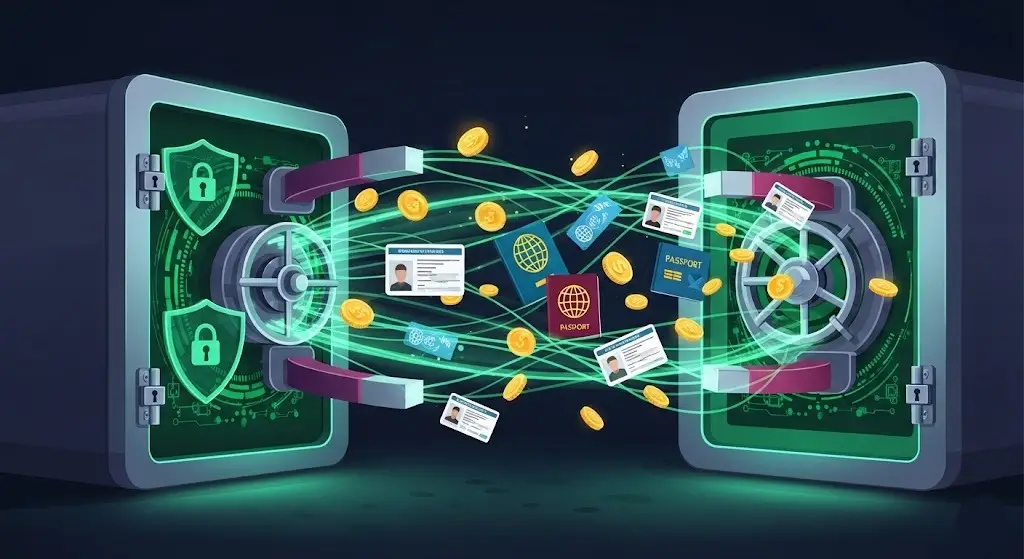
Realizing you have fallen victim to a scam is a deeply stressful experience. It triggers panic, confusion, and a sense of violation. However, the moments immediately following this realization are critical. Swift, decisive action can make the difference between a total loss and a successful recovery of your funds and identity.
This guide provides a comprehensive, step-by-step approach to scam recovery. We will walk you through the immediate actions to take, the official channels for reporting fraud, the realities of recovering different types of payments, and the crucial steps needed to secure your personal information against future attacks.
Take a deep breath. You are not alone, and there are structured protocols you can follow right now to mitigate the damage.
Immediate Actions to Take Within the First 24 Hours
Time is your most valuable asset when dealing with financial fraud. Criminals move stolen funds quickly to avoid detection. Your first priority is to sever their access to your accounts and halt any pending transactions.
Contact Your Financial Institutions
Call your bank, credit card issuer, or credit union immediately. Use the phone number listed on the back of your card or their official website. Ask to speak directly with the fraud department. Instruct them to freeze your accounts, cancel compromised cards, and reverse any unauthorized transactions. If the scam involved a wire transfer, ask for an immediate wire recall.
Secure Your Online Accounts
If you suspect your digital accounts are compromised, change your passwords immediately. Start with your primary email account, as this is the gateway to resetting all other passwords. Use strong, unique passwords for every account. Enable two-factor authentication on your banking apps, email, and social media profiles to add an extra layer of security.
Document Everything
Before you delete any correspondence out of anger or shame, save all evidence. Take screenshots of text messages, emails, fake websites, social media profiles, and payment receipts. Note down dates, times, phone numbers, and any names the scammers used. This documentation is essential for law enforcement and your bank investigations.
Understanding Recovery by Payment Method
The likelihood of getting your money back depends heavily on how the funds were transferred. Different financial systems have different consumer protection laws and reversal capabilities.
| Payment Method Used | Probability of Recovery | Immediate Action Required |
| Credit or Debit Card | High | Call your card issuer to dispute the charge and request a chargeback. |
| Bank ACH Transfer | Moderate | Contact your bank to halt the transfer or request a reversal. |
| Domestic Wire Transfer | Low to Moderate | Request a wire recall through your bank fraud department immediately. |
| Cryptocurrency | Low | Report the transaction hash to your exchange platform and file a police report. |
| Gift Cards | Very Low | Contact the issuing retailer support team to freeze any remaining balance. |
| Payment Apps | Low | Report the fraudulent transaction within the app support center. |
How to Execute a Credit Card Chargeback
If you paid a scammer using a credit card, you have strong protections under consumer credit laws. A chargeback is a reversal of funds directly from the merchant account back to yours.
To initiate a chargeback, contact your credit card company and state that you were a victim of fraud. Provide them with the documentation you collected, including receipts and communication proving the transaction was deceptive. The bank will launch an investigation. While the investigation is ongoing, a temporary credit is often applied to your account.
Dealing with Bank Transfers and Wire Fraud
Recovering funds sent via bank transfer or wire is much more difficult than credit card disputes because these transactions are designed to be final. However, if you act within a few hours, the bank might be able to freeze the funds before they are withdrawn by the criminal.
When you contact your bank, explicitly ask for a SWIFT recall if it is an international wire, or a domestic wire recall. You will need to provide the exact amount, the destination account number, and the routing details. Prepare yourself for the reality that if the money has already been moved to another jurisdiction, the bank may not be able to force a return.
Navigating Cryptocurrency Scam Recovery
Cryptocurrency transactions are recorded on public ledgers but are largely irreversible. There is no central bank to call to reverse a Bitcoin or Ethereum transfer.
If you sent crypto to a scammer, your first step is to trace the transaction hash on a blockchain explorer. Identify the destination wallet. If that wallet belongs to a centralized exchange, you can contact the support team of that exchange, provide your police report, and ask them to freeze the scammers account. Law enforcement agencies often work with blockchain analytics firms to track and seize stolen digital assets, though this process is lengthy and usually reserved for large-scale thefts.
Reporting the Crime to Official Authorities
Reporting the scam is not just about getting your money back. It helps authorities track international crime rings, build cases, and prevent others from becoming victims.
1. File a Local Police Report
Go to your local police station and file a report. You might feel that local police cannot do much about an international internet scam, but having an official police report number is often required by banks and insurance companies to process your fraud claims.
2. Contact Federal Reporting Agencies
In the United States, you must report the incident to the Federal Trade Commission and the Internet Crime Complaint Center. The Internet Crime Complaint Center is run by the FBI and is the central hub for reporting cybercrime. Provide them with all the digital evidence you have collected. Other countries have similar national cybercrime reporting centers.
The Threat of Secondary Recovery Scams
One of the most predatory aspects of the fraud ecosystem is the recovery scam. After you lose money, you might search online for ways to get it back. You will likely encounter individuals or companies claiming to be professional hackers, cyber investigators, or legal experts who guarantee they can retrieve your lost funds for an upfront fee.
These are almost always the same scammers or their affiliates targeting you a second time. They prey on your desperation.
Recognizing a Recovery Scam
Legitimate law enforcement agencies and regulatory bodies will never charge you a fee to investigate a crime. Real private investigators or attorneys will bill you transparently for their time, but they will never guarantee a successful financial recovery, especially regarding cryptocurrency. If someone contacts you on social media claiming they can hack the scammers database to return your money, block them immediately.
Long-Term Identity Protection
Financial loss is only one aspect of a scam. Often, criminals also harvest your personal data to commit identity theft. Protecting your identity requires ongoing vigilance.
1. Initiate a Credit Freeze
Contact the major credit bureaus and request a security freeze on your credit file. A credit freeze prevents anyone, including you, from opening new credit accounts in your name without a special PIN. This stops criminals from taking out loans or credit cards using your stolen information.
2. Monitor Your Credit Reports
Check your credit reports regularly for any unauthorized activity. Look for accounts you do not recognize, unfamiliar hard inquiries, or incorrect personal information. Dispute any fraudulent entries directly with the credit bureaus.
3. Update Your Security Hygiene
Invest in a reputable password manager to generate and store complex passwords. Never reuse passwords across different platforms. Regularly update the software on your computer and smartphone to patch security vulnerabilities. Be skeptical of unsolicited emails, phone calls, or text messages, even if they appear to come from organizations you trust.
Frequently Asked Questions
Is it possible to recover money lost to a scam?
Yes, but the probability depends on the payment method and how quickly you act. Credit card payments offer the best chance for recovery through the chargeback process. Wire transfers and gift cards are extremely difficult to recover once the transaction is completed.
How long does a bank fraud investigation take?
Bank investigations typically take between thirty to ninety days. During this time, the bank reviews your evidence, contacts the receiving institution, and determines if the transaction violates their fraud policies. They will notify you of their decision in writing.
Should I hire a private company to recover my crypto?
You must exercise extreme caution. The vast majority of online entities claiming they can recover stolen cryptocurrency are fraudulent. Instead of hiring unverified online hackers, report the theft to official law enforcement agencies and established blockchain analysis firms that work directly with authorities.
What happens if the bank denies my fraud claim?
If your bank denies your claim, you have the right to appeal the decision. You can escalate the issue to the bank executive resolution team, file a complaint with the Consumer Financial Protection Bureau, or consult with a consumer protection attorney to explore your legal options.