Deepfake Technology

 Click to Zoom
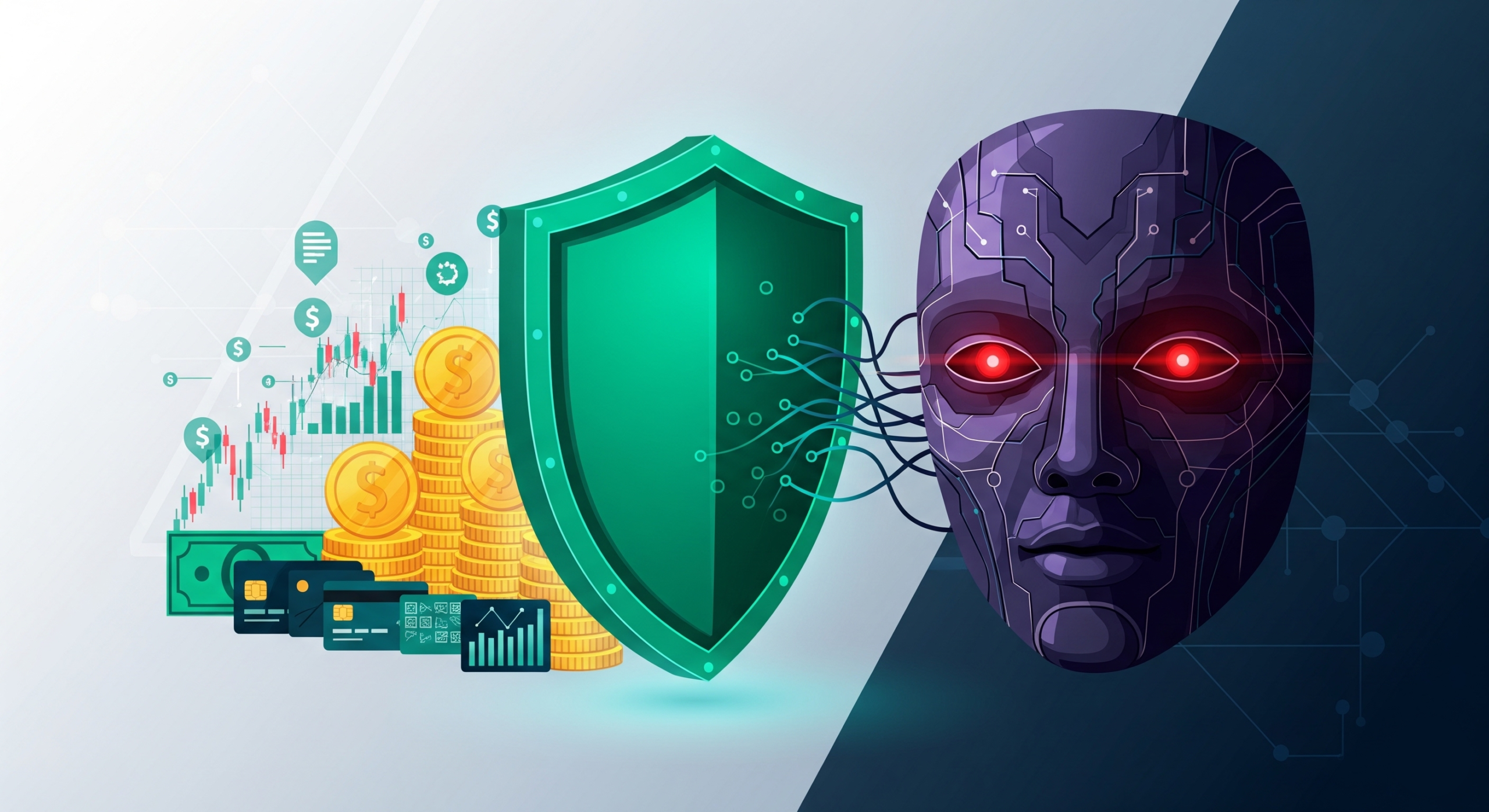
Deepfake technology is no longer a fringe novelty. It is a highly engineered, scalable weapon used by organized crime syndicates to drain your bank accounts and steal your corporate data. Synthetic audio and video clones bypass biometric security, impersonate executives, and manipulate victims into authorizing fraudulent wire transfers.
Click to Zoom
Deepfake technology is no longer a fringe novelty. It is a highly engineered, scalable weapon used by organized crime syndicates to drain your bank accounts and steal your corporate data. Synthetic audio and video clones bypass biometric security, impersonate executives, and manipulate victims into authorizing fraudulent wire transfers.
If you trust a voice on the phone or a face on a video call without independent cryptographic verification, your money is already at risk.
The Mechanics of Synthetic Identity Theft
Fraudsters do not need a Hollywood studio to clone your identity. They only need three seconds of your voice from a public social media video and a single high-resolution photograph. Deep learning algorithms process this biometric data to generate synthetic payloads. These payloads are injected directly into live video feeds or voice calls using virtual cameras and audio routing software.
The attacker relies on your inherent trust in sensory input. When your CEO calls instructing you to wire funds to a new vendor, your brain recognizes the tonal inflection, the breathing patterns, and the vocal cadence. The fraudster banks on you executing the transaction before your analytical brain questions the context.
Indicators of a Deepfake Attack
You must train yourself to spot the algorithmic artifacts left behind by generative models. Fraudsters are fast, but their rendering software still makes physical mistakes. Look for these specific anomalies during any high-stakes interaction:
- Blinking anomalies: Early deepfakes struggled with eye movement. Modern iterations are better, but the blink rate often remains asynchronous or completely absent.
- Edge rendering failures: Pay attention to the boundary where the synthetic face meets the real hair, neck, or background. Generative models struggle with complex textures like hair strands, causing blurring or pixelation during physical movement.
- Audio and visual desynchronization: Watch the lips. Synthetic audio rendering often lags behind the visual lip movements by a fraction of a second.
- Lighting incongruities: The lighting on the synthetic face will often fail to match the ambient lighting of the physical room the speaker claims to be occupying.
- The profile failure: Ask the person on the video call to turn their head ninety degrees. Most deepfake models are trained on frontal facial data. A sudden profile turn forces the algorithm to guess the facial geometry, resulting in severe visual distortion or the complete failure of the synthetic mask.
Advanced Spoofing versus Liveness Detection
Security systems rely on liveness detection to verify human presence. Attackers use presentation attacks to bypass these systems. You need to understand the mechanics of this digital arms race to secure your accounts.
| Attack Vector | Mechanism | Required Defense Protocol |
| Synthetic Voice Cloning | AI generated audio mimicking vocal chords | Active acoustic analysis detecting digital compression artifacts |
| Real-time Video Injection | Virtual camera feeds bypassing hardware webcams | Hardware-level cryptographic webcam attestation |
| Replay Attacks | Broadcasting pre-recorded compromised video | Randomized physical challenge prompts during verification |
Zero Trust Defense Protocols for Financial Assets
Passive awareness will not save your money. You must implement hard protocols that remove human trust from the verification equation entirely.
1. Establish Out of Band Authentication
Never authorize a financial transaction based on a single communication channel. If you receive a voice call requesting a wire transfer, hang up immediately. Call the person back on a known, pre-established internal phone number. Do not hit redial. Force the communication onto a different physical device.
2. Deploy Offline Challenge Words
Establish a shared secret with your family members and key corporate personnel. This must be a specific, nonsensical word or phrase agreed upon in person. When an emergency call comes in demanding money or access credentials, demand the challenge word. A deepfake model cannot guess offline secrets.
3.Monitor Biometric Exposure
Treat your face and your voice like your social security number. Audit your public digital footprint today. Lock down your social media profiles. The less raw biometric data you provide to the public internet, the harder it is for an algorithm to construct an accurate clone of your identity.
Subscribe for alerts on new scams and real opportunities.
Have you been scammed?
If you have lost money or suspect a website is fake, report it to us immediately to warn others.
REPORT A SCAM NOW