Payment Fraud

 Click to Zoom
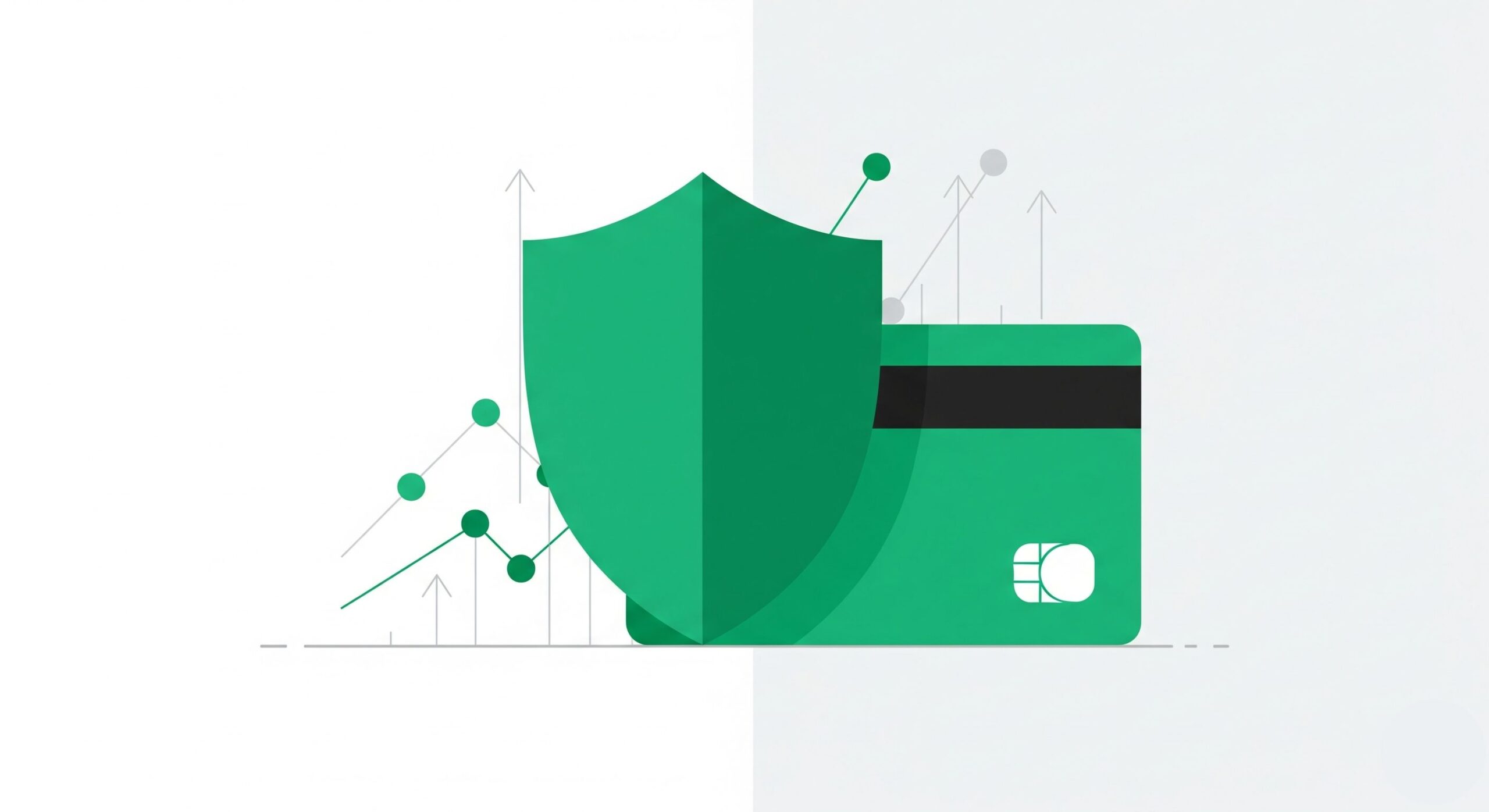
Payment fraud is the unauthorized interception and execution of financial transactions by malicious actors using stolen credentials, social engineering, or automated brute-force attacks. The ultimate goal is liquidating assets before detection systems trigger an alert. If your financial infrastructure lacks behavioral biometrics, velocity checks, and dynamic friction, you are actively subsidizing criminal syndicates.
Click to Zoom
Payment fraud is the unauthorized interception and execution of financial transactions by malicious actors using stolen credentials, social engineering, or automated brute-force attacks. The ultimate goal is liquidating assets before detection systems trigger an alert. If your financial infrastructure lacks behavioral biometrics, velocity checks, and dynamic friction, you are actively subsidizing criminal syndicates.
How Networks Are Breached
Criminals do not hack systems anymore. They log in. Account Takeover and Authorized Push Payment fraud dominate the current threat landscape. Adversaries bypass perimeter defenses by exploiting human psychology and credential reuse. You must understand the exact methodologies used to drain accounts.
The Mechanics of Compromise
- Credential Stuffing: Bots test millions of stolen username and password combinations against financial portals. If a user recycles passwords across sites, the attacker gains instant access to saved payment methods.
- BIN Attacks: Algorithms generate thousands of plausible credit card numbers based on a known Bank Identification Number. Attackers run micro-transactions to see which numbers process successfully before scaling up to massive purchases.
- Social Engineering: Scammers manipulate victims into voluntarily transferring funds. This bypasses traditional security controls completely because the legitimate account holder authorizes the transaction from a known device.
Technical Breakdown of Fraud Typologies
You need to know exactly how money moves illicitly. The table below categorizes the primary attack vectors, the mechanisms used to exploit them, and the specific countermeasures required to neutralize the threat.
| Fraud Vector | Attack Mechanism | Bypass Strategy | Defensive Countermeasure |
| Card-Not-Present | Stolen PAN and CVV data used online | Proxies and VPNs mask the true attacker location | 3D Secure 2.0 and strict Device Fingerprinting |
| Account Takeover | Exploiting reused passwords via botnets | Residential IP proxies mimic legitimate domestic users | Multi-Factor Authentication and Behavioral Biometrics |
| Friendly Fraud | Legitimate user denies making a valid purchase | Claiming the item never arrived or the card was stolen | Strict delivery verification and robust chargeback representment |
| Synthetic Identity | Combining real and fake data to build credit | Long-term account maturation before a massive bust-out | AI-driven identity graph analysis and complex link analysis |
Detection Parameters
Fraud always leaves a digital exhaust. You must monitor specific telemetry data to catch anomalies before the payment processor authorizes the transaction.
- Velocity Checks: Track the speed of transactions. Ten rapid purchases in five minutes from a single IP address indicates automated bot activity. Block these instantly.
- Device Fingerprinting: Analyze the hardware and software configuration of the user. If the device language is Russian but the shipping address is in Ohio, quarantine the transaction immediately.
- Behavioral Biometrics: Monitor how a user interacts with the application. Bots type at inhuman speeds and move the mouse in perfectly straight lines. Humans hesitate, make typos, and scroll erratically.
- Location Discrepancies: Compare the billing address, shipping address, and IP geolocation. Significant distance between these data points directly correlates with an exponentially higher fraud probability.
Hardening Your Infrastructure
Passive monitoring is useless without active friction. Implement the following protective protocols immediately to stop financial hemorrhaging.
Deploy Dynamic Friction
Do not treat all users equally. Apply friction only when risk indicators spike. Require SMS verification or biometric authentication exclusively when a transaction deviates from the established historical baseline of that specific user.
Mandate 3D Secure 2.0
Shift the financial liability back to the issuing bank. The 3D Secure 2.0 protocol shares over one hundred data points between the merchant and the issuer in real time. This allows the bank to authorize low-risk transactions silently while heavily challenging high-risk attempts.
Isolate and Analyze Chargeback Data
Every single chargeback is a post-mortem autopsy report. Analyze the root cause. If a specific product category or geographic region consistently generates high chargeback ratios, adjust your rules engine to quarantine those specific transactions for manual review.
The Post-Compromise Protocol
If a breach occurs and fraudulent transactions penetrate your defenses, speed is your only remaining advantage.
- Sever Access: Immediately invalidate all active session tokens and force a global password reset for all suspected compromised accounts.
- Preserve the Logs: Secure application logs, firewall logs, and database access records. You will desperately need this telemetry to determine the exact blast radius of the attack.
- Patch the Vector: Identify exactly how the attackers bypassed your controls. Update your rules engine to permanently block the specific IP ranges, device IDs, or behavioral patterns observed during the intrusion.
Subscribe for alerts on new scams and real opportunities.
Have you been scammed?
If you have lost money or suspect a website is fake, report it to us immediately to warn others.
REPORT A SCAM NOW