Credential Harvesting

 Click to Zoom
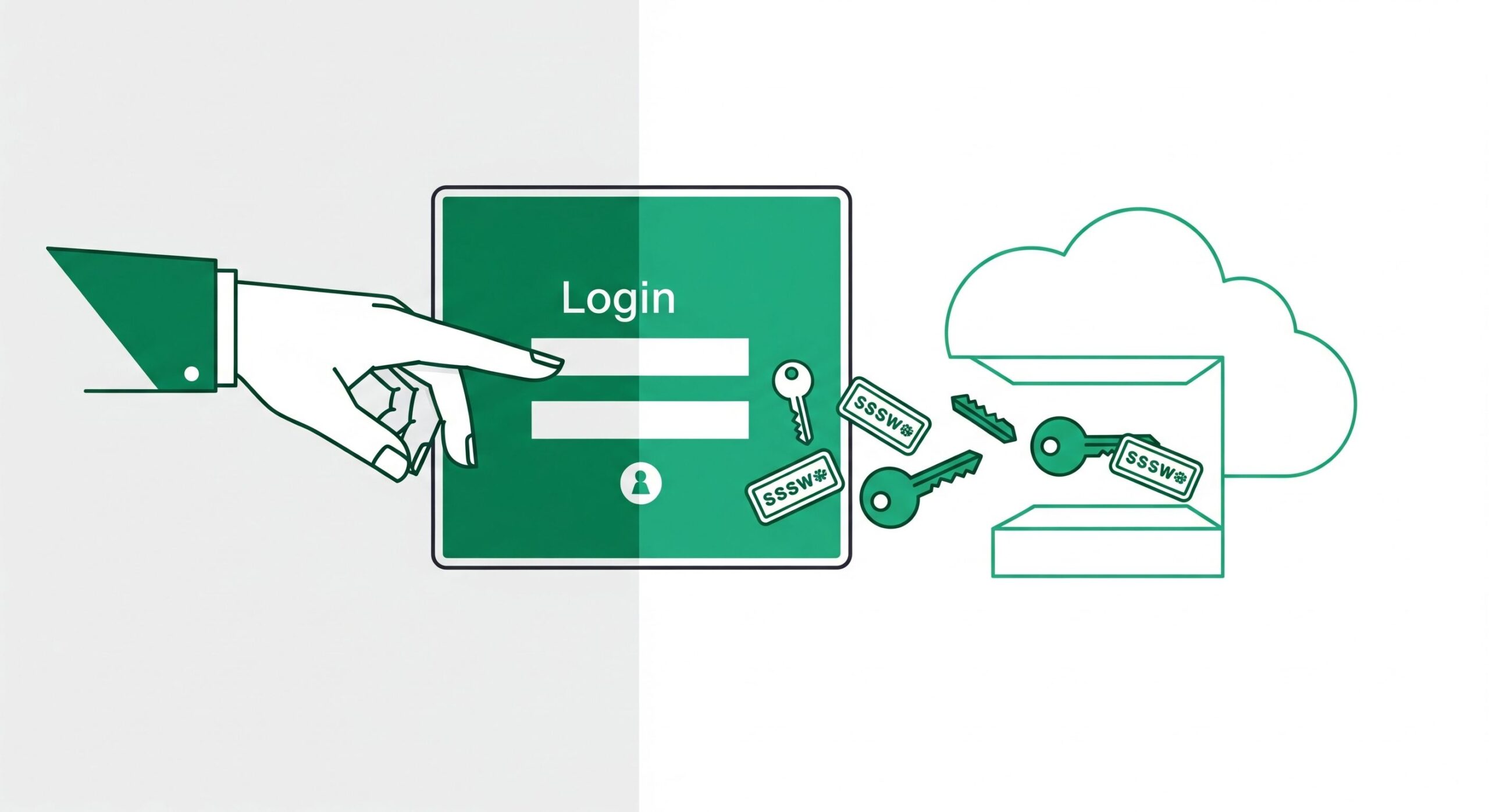
Credential harvesting is the systematic extraction of valid usernames, passwords, and authentication tokens by malicious actors. Fraudsters deploy automated scripts, deceptive phishing infrastructure, and stealthy malware to steal your digital identity. Compromised credentials instantly become currency on illicit marketplaces or function as the primary entry point for corporate network breaches and total financial ruin.
Click to Zoom
Credential harvesting is the systematic extraction of valid usernames, passwords, and authentication tokens by malicious actors. Fraudsters deploy automated scripts, deceptive phishing infrastructure, and stealthy malware to steal your digital identity. Compromised credentials instantly become currency on illicit marketplaces or function as the primary entry point for corporate network breaches and total financial ruin.
The vulnerability is almost always a stolen password combined with a hijacked session token. Attackers bypass your perimeter because a user handed them the keys. You must understand how these extraction operations work to defend your assets effectively.
How Attackers Execute Harvesting Campaigns
Fraudsters do not waste time guessing passwords. They manipulate human psychology and exploit technical blind spots to harvest data at scale.
- Adversary-in-the-Middle Interception: Attackers deploy reverse proxies that sit exactly between the victim and the legitimate service. The proxy intercepts the password and the generated session cookie simultaneously.
- Deceptive Infrastructure Setup: Criminals register cloned domains mimicking legitimate financial institutions or enterprise login portals. They use valid SSL certificates to create a false sense of security.
- Infostealing Malware Deployment: Malicious payloads quietly extract saved passwords and session tokens directly from local browser databases and transmit them to external command servers.
Why Legacy Multi-Factor Authentication Fails
Relying on basic text message verification is a severe liability. Harvesters anticipate and bypass legacy Multi-Factor Authentication routinely. If your security strategy depends entirely on a six-digit code, your network is vulnerable.
| Attack Vector | Mechanism | Required Defensive Control |
| Session Token Theft | Attacker intercepts the post-login authentication cookie via a proxy site and injects it into their own browser to bypass the login sequence entirely. | FIDO2 Hardware Security Keys |
| Prompt Bombing | Attacker repeatedly triggers authentication requests late at night. The exhausted victim approves the prompt to stop the persistent phone notifications. | Number Matching Verification |
| SIM Swapping | Fraudster bribes telecom employees to port the victim phone number to an attacker-controlled device to intercept SMS codes. | Authenticator Apps or Physical Tokens |
Indicators of a Compromised Account
You must know exactly what anomalies to look for before the funds disappear. Detecting a harvester requires continuous monitoring of user behavior and network traffic.
- Geographic and Temporal Anomalies: Simultaneous logins originating from geographically distant locations within an impossible timeframe indicate shared or stolen credentials.
- Malicious Inbox Rules: Attackers immediately create email forwarding or deletion rules upon entry. This tactic hides security alerts, bank transfer notifications, and password reset confirmations from the legitimate user.
- Anomalous API Access: Look for unrecognized third-party applications granted persistent access to read emails or access cloud storage repositories. Harvesters use OAuth tokens to maintain persistence even after a password change.
Hardening Defenses Against Credential Theft
Stop relying on user awareness training alone. Humans will always make mistakes under pressure. You must implement technical controls that enforce zero trust architecture at every access point.
- Mandate Hardware Security Keys: Implement FIDO2 compliant hardware keys for all privileged access. Phishing sites cannot intercept the cryptographic challenge and response protocol utilized by these physical devices.
- Enforce Conditional Access Policies: Restrict authentication attempts based on device compliance status, geographic location, and real-time behavioral risk scores. Block legacy authentication protocols entirely.
- Execute Proactive Threat Hunting: Continuously scan external credential repositories and dark web databases for compromised corporate email addresses. Force immediate, global password resets and token revocations when matches occur.
- Disable Unnecessary Access: Remove administrative privileges from daily user accounts. Segment your network so that a single compromised credential cannot grant access to the entire corporate infrastructure.
Subscribe for alerts on new scams and real opportunities.
Have you been scammed?
If you have lost money or suspect a website is fake, report it to us immediately to warn others.
REPORT A SCAM NOW