Binance Scams

 Click to Zoom
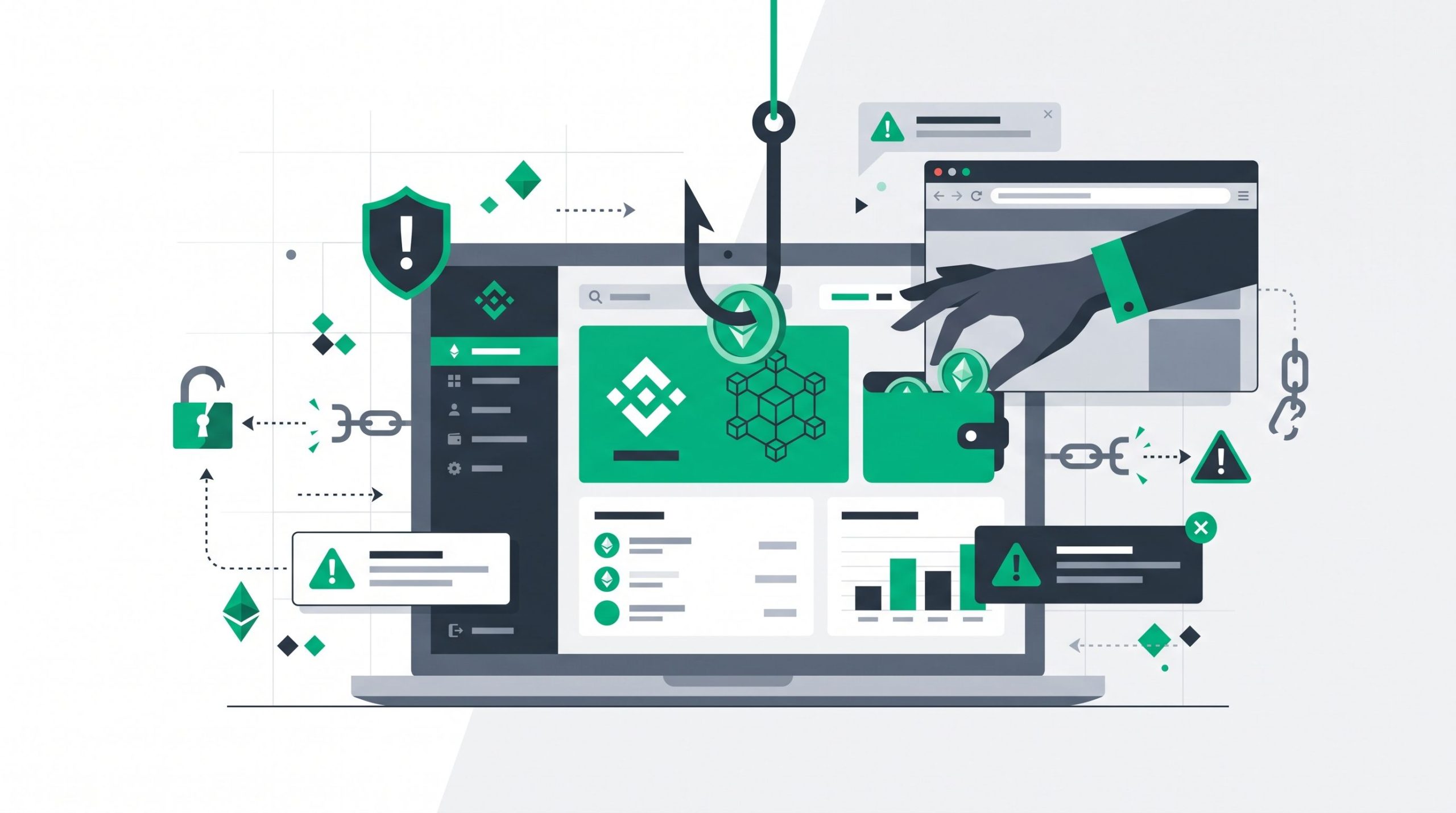
Criminal networks exploit Binance users through four primary attack vectors: credential harvesting via phishing, social engineering through fake customer support, malicious smart contract approvals masquerading as airdrops, and API key exploitation. Your cryptocurrency is the target. Once illicit transfers clear the blockchain, recovery is mathematically improbable. You must secure your account before a breach occurs.
Click to Zoom
Criminal networks exploit Binance users through four primary attack vectors: credential harvesting via phishing, social engineering through fake customer support, malicious smart contract approvals masquerading as airdrops, and API key exploitation. Your cryptocurrency is the target. Once illicit transfers clear the blockchain, recovery is mathematically improbable. You must secure your account before a breach occurs.
Anatomy of Top Binance Attack Vectors
Understanding the specific mechanics of a scam is your only defense against it. Fraudsters constantly evolve their tactics to bypass Binance security measures and exploit human psychology.
Credential Harvesting and Malicious Domains
Fraudsters clone the Binance login interface to harvest your credentials and two-factor authentication codes in real time. They distribute these malicious links via SMS texts claiming your account is frozen or through emails demanding immediate KYC verification. If you click the link and enter your data, automated scripts instantly log into your real account, bypass security prompts using the intercepted codes, and drain your spot wallet. Always type the official Binance URL manually or use the official mobile application.
The Fake Customer Support Trap
Scammers monitor platforms like X, Telegram, and Reddit for users experiencing technical issues. They reply instantly using official-looking avatars and usernames containing terms like Support, HelpDesk, or Admin. They will direct you to a private chat and instruct you to connect your wallet to a decentralized application for troubleshooting. This application is a malicious drainer script. Binance representatives will never contact you first on social media, nor will they ask you to transfer funds to a secure wallet for safety.
Pig Butchering and Investment Contracts
This is a highly sophisticated, long-term psychological operation. Operatives build a relationship with you over weeks on dating apps or encrypted messaging platforms. They eventually introduce you to a high-yield trading strategy, directing you to withdraw funds from Binance into a third-party decentralized finance platform they control. The initial returns look real, allowing you to withdraw small amounts. Once you deposit your life savings, the platform locks your account under the guise of exorbitant tax fees or security audits.
API Key Exploitation
Many users generate API keys to connect third-party trading bots or tax software to their Binance accounts. If a malicious actor compromises the platform hosting your API keys, they can execute unauthorized trades. Scammers use compromised API keys to buy low-liquidity coins at massively inflated prices, siphoning your valuable assets like Bitcoin into their own pockets through manipulated market orders. You must restrict API key permissions to read-only or bind them strictly to trusted IP addresses. Never enable withdrawal permissions on an API key unless you possess advanced technical expertise.
Legitimate Binance Operations vs. Fraudulent Tactics
To definitively separate authentic exchange communications from fraudulent social engineering attempts, memorize the operational protocols outlined below.
| Indicator | Official Binance Protocol | Scam Tactic |
| Communication Channel | In-app support chat only | Direct messages on Telegram, X, or WhatsApp |
| Account Verification | Handled entirely within the Binance app | Links sent via SMS or external emails |
| Fund Security | Funds remain in your controlled wallets | Requests to move assets to a safe node |
| Technical Support | Agents troubleshoot account settings | Agents ask for remote desktop access or seed phrases |
| Urgency Level | Standard, user-initiated timelines | High-pressure threats of immediate account deletion |
Executing Emergency Incident Response
If you suspect unauthorized activity or realize you have engaged with a fraudulent entity, execute these steps immediately to mitigate catastrophic financial loss.
- Freeze the Account: Utilize the emergency account freeze link found at the bottom of any official Binance withdrawal notification email or login alert.
- Sever External Access: Revoke all active API keys and disconnect any third-party account connections within the API Management dashboard.
- Reset Credentials: Change your password and reset your two-factor authentication using a secure, offline backup device.
- Preserve the Evidence Chain: Document all fraudulent transaction hashes, destination addresses, fake domain URLs, and communication logs before the attacker deletes their digital footprint.
- Escalate to Authorities: Report the incident directly to local law enforcement cyber divisions and submit your documented evidence to the official Binance security team through the in-app support portal.
Subscribe for alerts on new scams and real opportunities.
Have you been scammed?
If you have lost money or suspect a website is fake, report it to us immediately to warn others.
Other Platform Scams