Remote Job Scams

 Click to Zoom
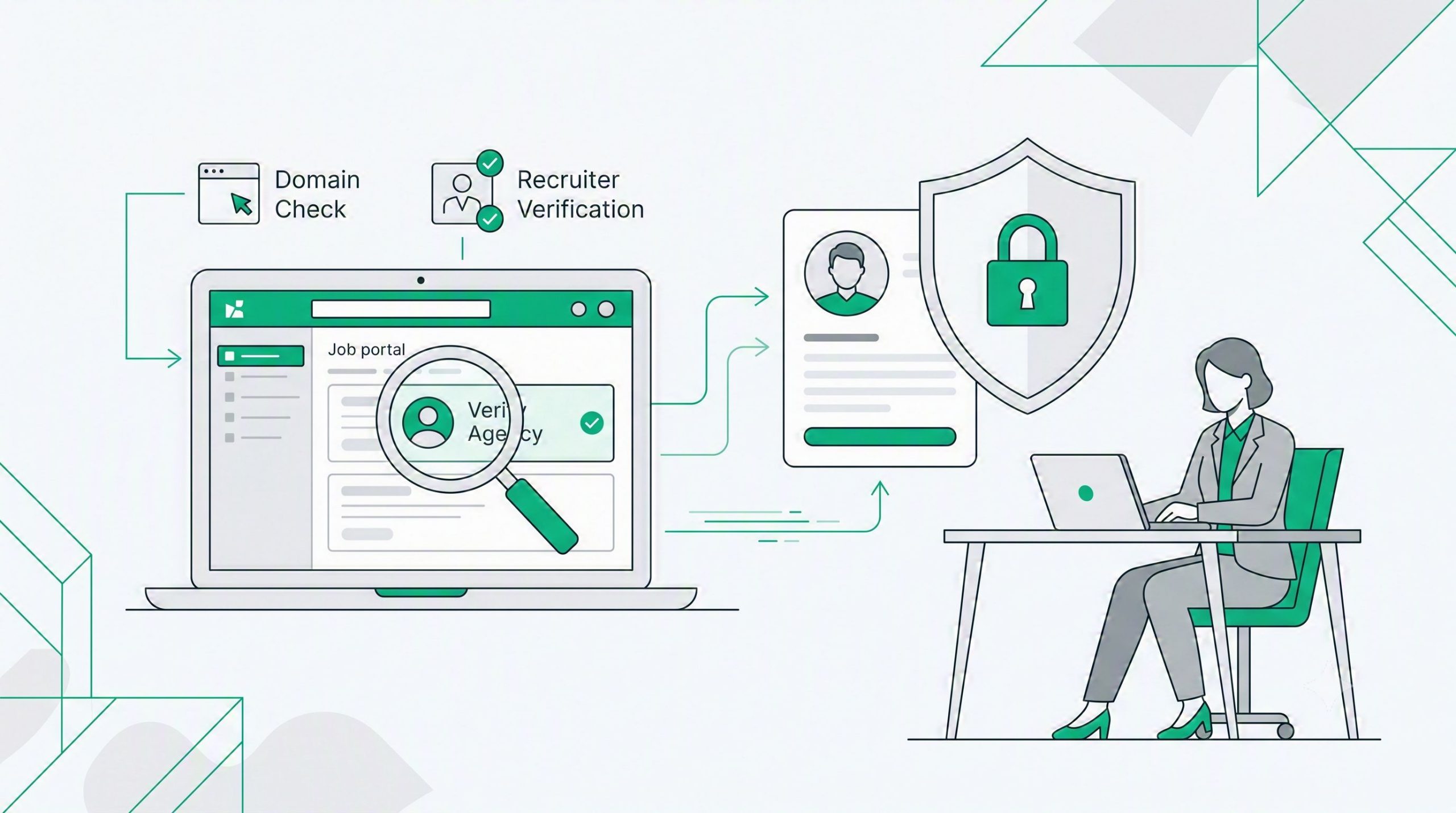
Remote job scams are highly organized fraud operations engineered to extract your money and personally identifiable information under the guise of employment. Criminal syndicates clone legitimate corporate websites, spoof recruiter identities, and deploy automated interview scripts to steal your identity and financial assets. You are not dealing with amateur hackers. You are facing sophisticated networks that exploit the high demand for remote work.
Click to Zoom
Remote job scams are highly organized fraud operations engineered to extract your money and personally identifiable information under the guise of employment. Criminal syndicates clone legitimate corporate websites, spoof recruiter identities, and deploy automated interview scripts to steal your identity and financial assets. You are not dealing with amateur hackers. You are facing sophisticated networks that exploit the high demand for remote work.
The Anatomy of a Fake Remote Agency
Scammers do not just post fake jobs. They build shadow infrastructures. They scrape job descriptions from actual Fortune 500 companies and republish them on newly registered domains. They steal LinkedIn profiles of real recruiters to establish trust and bypass initial suspicion. By the time you apply, you are entering a meticulously crafted funnel designed solely to drain your bank account or harvest your data.
Technical Telltales of Fraud
Look at the underlying infrastructure. A legitimate recruiting agency runs on established enterprise software. A scam operation runs on cheap, disposable web hosting designed to be abandoned the moment they are exposed.
Domain Registration and Age
Check the domain registration data via ICANN or any standard WHOIS tool. If a company claims to have a decade of staffing experience but their domain was registered three weeks ago with heavy privacy protection, you are looking at a scam. Fraudsters constantly burn and rotate domains to evade blocklists.
Email Authentication Failures
Legitimate corporations secure their communications with strict DMARC, DKIM, and SPF records. Fraudsters use lookalike domains. A recruiter from Acme Corporation will email from acmecorp.com. They will never use acmecorp-careers.com, acmecorp.work, or a free Gmail account. If the email domain does not perfectly match the primary corporate domain, terminate contact.
Broken Applicant Tracking Systems
Real agencies route your application through established Applicant Tracking Systems like Greenhouse, Lever, or Workday. Scammers use basic Google Forms, generic Typeform links, or custom web portals built specifically to log your keystrokes and harvest your Social Security Number without triggering security warnings.
Equipment Checks and Crypto
The ultimate goal of most employment fraud is direct financial theft. The vectors are predictable but highly effective against those unfamiliar with remote onboarding protocols.
The Vendor Purchasing Scam
No legitimate company will ever send you a check to purchase your own home office equipment from a specific vendor. This is the oldest fraud vector in the remote workspace. The check will clear your bank temporarily due to federal banking regulations regarding fund availability. You then wire money to their approved vendor, who is actually the scammer. Weeks later, the forged check bounces. Your bank reverses the deposit, leaving you entirely responsible for the negative balance.
Cryptocurrency and Upfront Fees
If an employer demands you pay for a background check, training materials, or software licenses via cryptocurrency, CashApp, or Zelle, you are being robbed. Legitimate employers absorb all onboarding costs.
Protecting Your PII
When scammers fail to steal your cash directly, they target your Personally Identifiable Information (PII). Your data is currency on the dark web. They want your driver license, passport, and tax details to open fraudulent credit lines or bypass KYC security protocols on cryptocurrency exchanges.
Never provide your full social security number or government ID on an initial application. Legitimate background checks happen after a formal written offer and are conducted by verified third-party services like Checkr. They are never processed via email attachments or unencrypted web forms. If you suspect you have submitted data to a fraudulent agency, you must immediately freeze your credit with all three major bureaus and initiate a fraud alert.
Agency Verification Matrix
Use this technical breakdown to evaluate any remote job offer. If a prospective agency hits even one of the markers in the fraud column, block the contact.
| Feature | Verified Legitimate Agency | Fraud Syndicate Operation |
| Domain History | Years old with verifiable DNS history and traffic | Days or weeks old, registered via budget offshore hosts |
| Interview Medium | Face-to-face video calls via enterprise platforms | Text-only interviews via Telegram, Signal, or WhatsApp |
| Hardware Provision | Laptop shipped directly from corporate IT department | Forged check provided to buy gear from a specific portal |
| PII Collection | Post-offer via secure, third-party enterprise portal | Demanded immediately via email or unencrypted form |
| Email Headers | Sent from primary corporate domain | Sent from lookalike domains or generic webmail accounts |
Do not trust friendly recruiter profiles or polished websites. Verify the network infrastructure, trace the money flow, and protect your data at all costs. The remote job market is a zero-trust environment. Act accordingly.
Subscribe for alerts on new scams and real opportunities.
Have you been scammed?
If you have lost money or suspect a website is fake, report it to us immediately to warn others.
REPORT A SCAM NOW